Tips belong to the workers who earn them, not to the employer. Even so, tipped workers lose part of their tips in ways that are easy to miss. A restaurant may make a server cover a table that walked out, pay for a dropped tray of glasses, or make up a shortage in the register. It may take more out of credit card tips than the card company charges. It may let a manager draw a share of the tip pool, or hold tips back and pay them out late or not at all. When the money comes out of cash tips at the end of a shift, nothing shows on the pay stub, and the losses add up over months and years with no record of them.
Since 2018, the Fair Labor Standards Act has said in plain terms that “an employer may not keep tips received by its employees for any purposes, including allowing managers or supervisors to keep any portion of employees’ tips, regardless of whether or not the employer takes a tip credit.” The rule protects every tipped worker, including a bartender paid $15 an hour in cash wages. It is not limited to workers paid the $2.13 tipped cash wage.
The U.S. Department of Labor has said that deductions for walkouts, breakage, or cash register shortages reduce a tipped employee’s wages below the minimum wage and are illegal when the employer claims a tip credit. Taking a walkout or a broken glass out of the server’s tips at cash-out, or having the server ring it up on the till as if the customer had paid in cash, can amount to the employer keeping the server’s tips, which the 2018 rule forbids for every tipped worker. Workers cannot sign away these protections, so a policy the server agreed to when hired does not make the practice legal.
Credit card tips follow a separate rule. When a customer leaves a tip on a card, the employer may take out only the percentage the card company charges on that tip. The Department of Labor also requires the employer to pay the rest of the tip to the worker no later than the regular payday. A flat card charge set higher than the restaurant’s real cost, or a percentage taken from cash tips that never ran through a card, can amount to the employer keeping tips.
Managers and supervisors may not take any part of their employees’ tips, whether through a tip pool or informally. For this rule, a manager or supervisor is someone whose main job is managing the business or a department, who regularly directs the work of two or more employees, and who can hire or fire or whose recommendations on hiring and firing are given particular weight. A manager may keep a tip a customer gives him or her directly for service the manager alone provided, but may not take a share of the servers’ tips or tip pool.
An employer that keeps its workers’ tips can owe each affected worker the full amount of the tips it kept, plus an equal amount in liquidated damages. If the employer also paid a tipped cash wage below $7.25, it can owe the tip credit it took as well. Records help show what was taken. Cash-out sheets, a note of each charge and its date, texts from a manager about what a server owes, and photos of the workplace postings are the kinds of things that can show how a restaurant handled its workers’ tips. For an example, see the post on a lawsuit alleging these practices at a Houston restaurant.
Workers in similar situations may have legal rights under the FLSA. The statute of limitations for wage and overtime claims is generally two years, or three years if the employer's conduct was willful. Time limits apply.
Attorneys Josef F. Buenker and Thomas H. Padgett, Jr. fight hard to protect workers from wage theft and illegal wage and hour practices. With decades of experience in recovering workers’ stolen wages, we have the ability to represent workers facing wage & hour issues like:
If you believe you have been taken advantage of by your employer, please contact our Houston law firm to request a free consultation. You can reach us online or by calling (713) 868-3388.
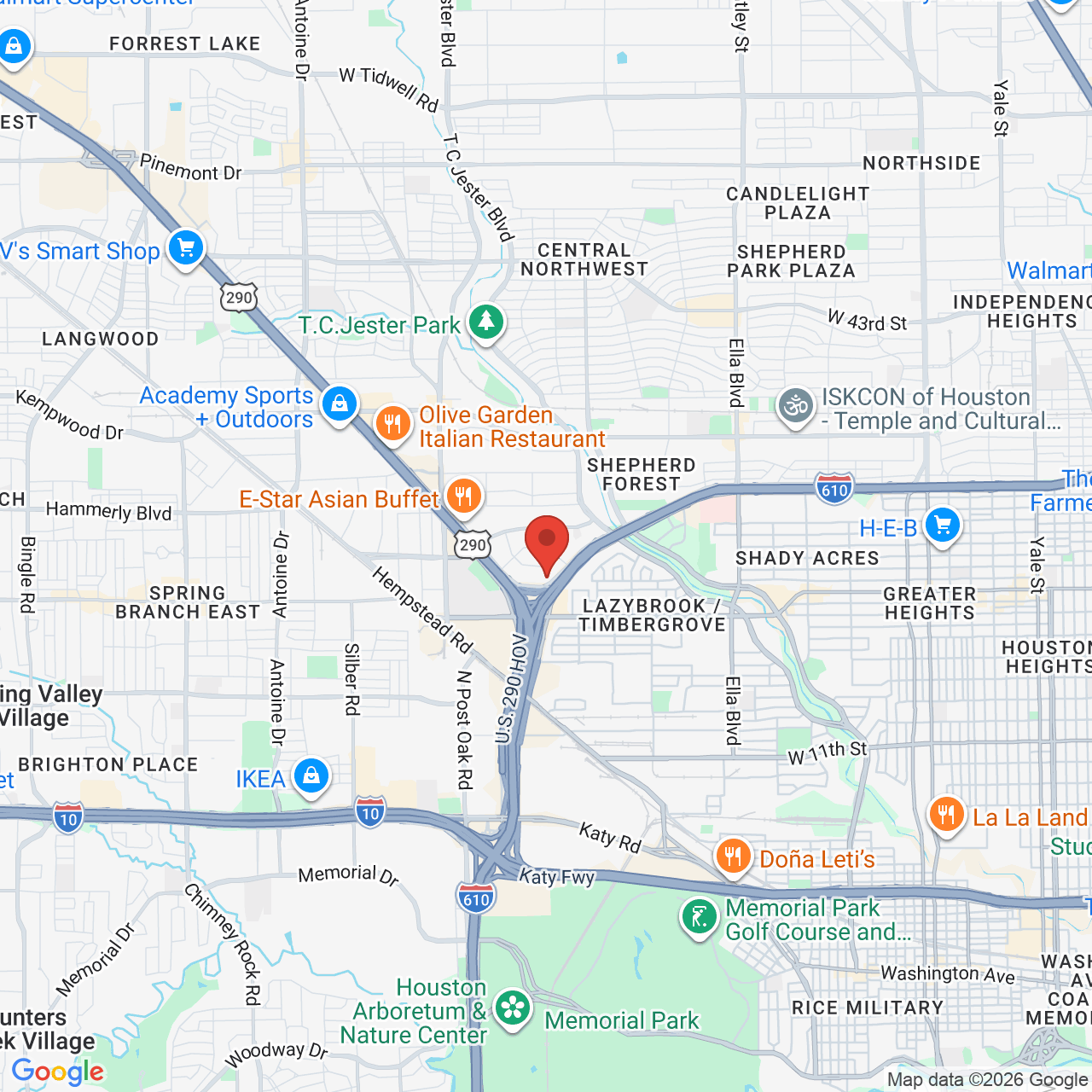
2950 N Loop W
Ste 500
Houston,
TX 77092
Loading hours...
By Appointment Only
US Mail:
P.O. Box 10099
Houston, Texas 77206